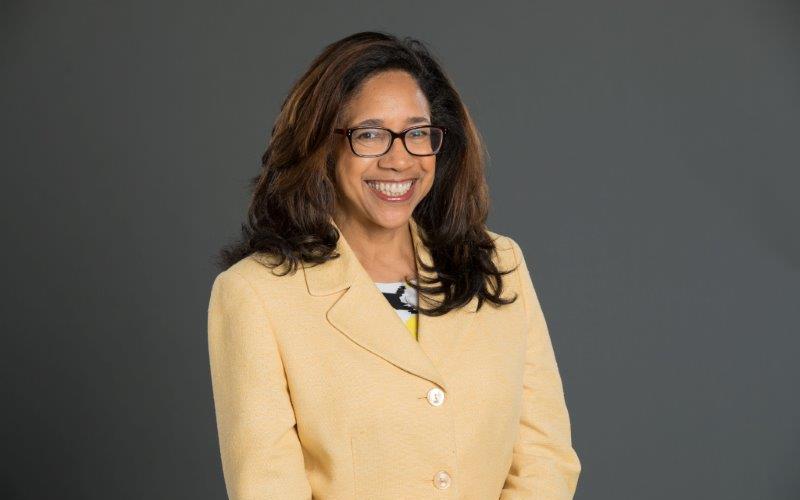
A reflection on Black History Month, from Margaret Bernstein, a member of our church’s Racial Equity Task Force.
Black History Month is evolving. In the years since George Floyd died, I’ve watched it move beyond an annual recitation of facts about African American achievers, and widen into a bigger discussion of struggle and survival. I’m fascinated by a new social media trend --the #MyBlackHistory hashtag. It’s democratizing February and making it clear that every black family has a story of overcoming. On Facebook this month, I’ve seen a tribute posted to a great-grandfather who was a South Carolina sharecropper and railroad worker, while someone else shared a picture of their great-aunt, a pianist and teacher who attended Juilliard and performed with Count Basie.
Another person paid homage to an ancestor named James Robert Sands Jr. “Born a slave but eventually became a free man. A husband, father, educator and appointed Justice of the Peace in Monroe County, Ark., in 1916. I salute you Great-great-grandpa Sands! #MYBLACKHISTORY”
This grassroots trend recognizes the fact that black Americans share a history of triumphing over racist laws and systems, and that our tenacious forebears are achievers, even if they’re not famous.
I think it's good to see Black History Month getting freshened up, especially considering that some critics of the month are asking when will we be done with rehashing the past. In my opinion, our nation is only beginning to acknowledge all the roadblocks that African Americans faced, in order to vote, to be educated, to live free. For African-Americans, it’s been a challenge just to learn about our own heritage: The U.S. Census didn’t count blacks until 1870. Before that, we were possessions, enumerated like cows and horses. No names -- just ages and genders on slave lists. Like many African-Americans, I know the names of my relatives born in the past century but I can’t go back much further. As a race, our history hasn’t been passed down, because slaves weren’t allowed to read or write, they weren’t given last names and their families were often split up.
As a nation, we're just starting to excavate the history of black Americans. To wrap our minds around how America enriched itself through black bondage, and to grapple with the repercussions that still endure. I would like to recommend to my fellow parishioners a soon-to-be-published book about how Catholic priests relied on slave labor, and sold slaves to finance the creation of Georgetown University. The book is "The 272: The Families Who Were Enslaved and Sold to Build The American Catholic Church " by New York University journalism professor Rachel Swarns.
For most of us, this is an untold chapter of our church's history. I say ... let the history out, and let it inform new conversations.